The Color Changed, the Drug Didn’t (Usually): A 2026 Refill Reality Check
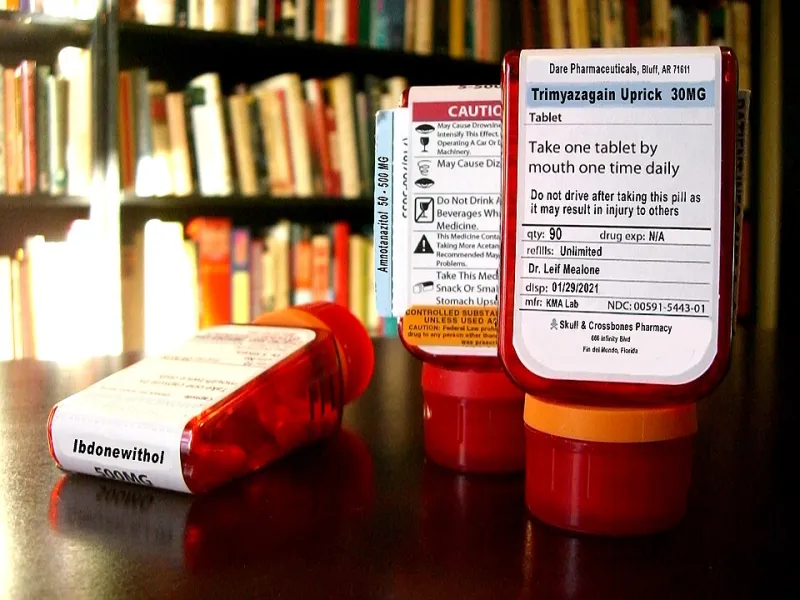
Photo: Betty Wills (Atsme on Wikipedia), CC BY 2.0, via Wikimedia Commons
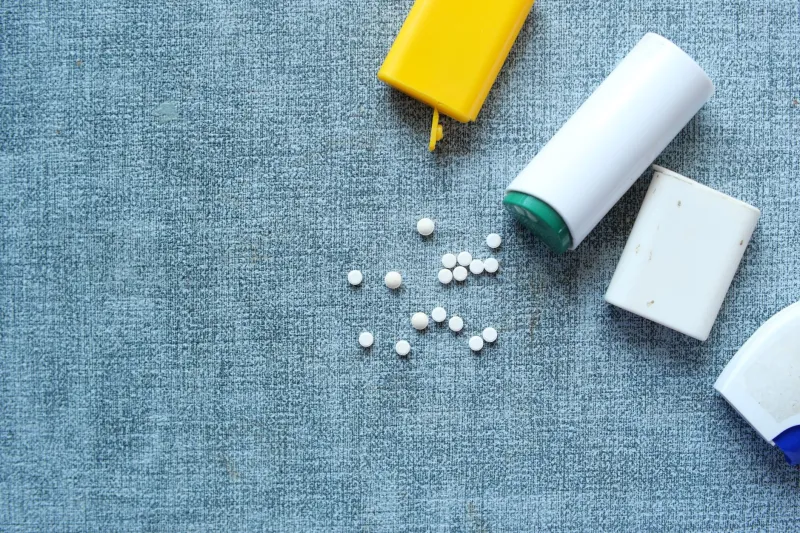
You tip the bottle into your hand and stop. The pill is white now. Last month it was blue. Or it’s round instead of oval, or a little bigger, or stamped with a different set of letters and numbers. Your brain says something is wrong. Most of the time, it isn’t.
Generic prescriptions can look different from one refill to the next because pharmacies buy from different manufacturers. The active drug, the strength, and the dosage form are supposed to stay the same. The color, shape, coating, and imprint often do not. That mismatch is normal enough that pharmacists answer the question every day. But normal does not mean ignore it. A color change is a prompt to check the label and, when something feels off, ask a pharmacist to confirm what is in the bottle.
Why the same prescription can look different
A generic drug is approved to have the same active ingredient, strength, dosage form, and route of administration as the brand-name version. It also has to meet the same quality standards. What it does not have to do is look identical. Inactive ingredients—fillers, binders, dyes, coatings, and flavorings—can vary between manufacturers. So can the imprint code stamped on the tablet.
Your pharmacy may switch suppliers because of a backorder, a contract change, or a manufacturer shortage. Even the same pharmacy can hand you a different-looking pill when the bottle on the shelf comes from a different source. The label may show a different manufacturer name or a different National Drug Code, often called the NDC. That number identifies the product and package, and it can change when the supplier changes.
This is why two bottles with the same drug name and strength can sit side by side and look like they belong to different families. They usually do not. They are cousins from different factories.
Start with the label, not the pill
Before you call the pharmacy, compare the new label with the old one if you still have it. Check the patient name, drug name, strength, dosage form, directions, quantity, and fill date. If the drug name and strength match and the directions are the same, a different color or shape is probably a manufacturer swap.
If the drug name is different, the strength is different, or the directions have changed, call. Do not take the first dose until you understand why. That sounds obvious, but refill bottles get mixed up in kitchens, drawers, and pill organizers. A quick label check catches the rare real error before it becomes a problem.
You can also ask the pharmacist to confirm the imprint code on the new tablet or capsule. The imprint is not usually printed on the label, but the pharmacy can check it against the product it dispensed. An online pill identifier can be a starting point, but it should not be the final word. Pharmacists have access to dispensing records and product details that a website does not.
The changes that are usually routine
A different color, a new shape, a slightly different size, or a fresh imprint code is usually just a new manufacturer. A scored tablet may have a different score line. A capsule may be half one color and half another. A coating may taste different or feel smoother. None of that, by itself, means the dose changed.
An authorized generic can also look different from the brand-name product even though it contains the same active ingredient. A pharmacy may dispense it because it is cheaper or because that is what the wholesaler had that day. Again, the label and the pharmacist’s confirmation matter more than the appearance.
One exception: do not assume a new score line means you can split the pill. Some tablets are scored for convenience; others are not meant to be broken. If the label does not say to split it, ask before you reach for a pill cutter. The same goes for crushing or chewing. A new look does not change the instructions.
When a change is worth a pharmacist call
Call if the label does not match what you expected, if the pill has no imprint at all, if the imprint looks damaged or unreadable, or if the bottle contains tablets of different colors or shapes. Call if the pill smells strange, crumbles easily, or arrives in damaged packaging. Those can be signs of a product problem rather than a routine supplier switch.
Call if you have a known allergy or sensitivity to dyes or other inactive ingredients. Some people react to specific colorants, and a manufacturer swap can introduce one that was not in the previous product. Tell the pharmacist what happened before, and ask whether a different manufacturer or dye-free option is available. Do not assume every pharmacy can order every version, but it is a fair question.
Call if swallowing is the issue. A new manufacturer may make a tablet that is larger or a capsule that feels harder to get down. Do not crush or split it unless the label or pharmacist says it is safe. Some medications are extended release or enteric coated, and breaking them can change how the drug is absorbed. Ask about alternatives rather than improvising.
Also call if you take a medication where small differences worry you, such as a seizure medicine, a blood thinner, or thyroid replacement. Appearance alone is not evidence that the dose is wrong, but you deserve a clear confirmation. A short conversation is cheaper than a week of anxiety.
How to check without turning it into a project
Keep the old label or take a photo of it before you toss the bottle. Note the drug name, strength, manufacturer, and NDC. When the new bottle looks different, compare the labels and ask the pharmacist one direct question: is this the same drug and strength, and can you confirm the manufacturer and imprint?
If you need consistency because of an allergy, swallowing difficulty, or simple peace of mind, ask whether the pharmacy can order the same manufacturer next time. The answer may be no, especially during a shortage. But asking is how you find out. You can also ask the pharmacist to note a preference on your profile.
A different-looking refill is a signal to check, not a reason to panic. Most of the time, the drug is the same and the factory changed. When the label matches and the pharmacist confirms it, take it as directed. When something does not add up, make the call. That is what the counter is for.