Extra Strength, PM, or Extended Release? How to Read an OTC Box Without Guessing
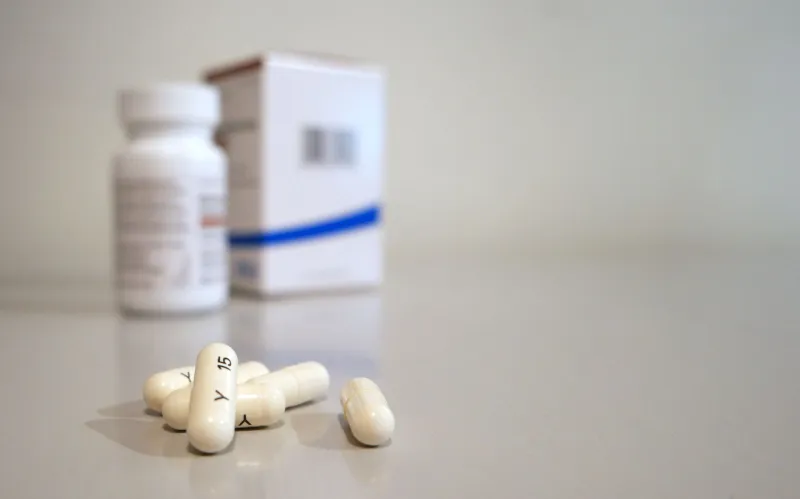
The over-the-counter aisle is built to sell relief, not to teach pharmacology. The front of the box says Extra Strength, PM, or Extended Release in big letters. The back has a Drug Facts panel in small ones. If you want to compare products without guessing, read the small print first. That is where the active ingredient, the dose, and the warnings live.
The front label is marketing; the Drug Facts panel is the map
Front-of-pack words are not useless, but they are not standardized the way the Drug Facts panel is. The panel lists active ingredients, purposes, warnings, directions, and storage. Two boxes can look completely different on the front and contain the same active ingredient at the same strength. That is why the panel matters.
Extra Strength: more milligrams, not more magic
Extra Strength usually means the product has more active ingredient per tablet, capsule, or caplet than the regular version. A common example is acetaminophen: regular strength is often 325 mg per tablet, while extra strength is often 500 mg. That is a real difference, but it does not mean the pill works faster or treats a different problem.
The risk is accidental doubling. If you take a regular-strength pain reliever and an extra-strength one in the same day, you may take more than you intended. Acetaminophen is also hiding in many cold, flu, and PM products. Too much can damage the liver. Count the milligrams in every product you take, not just the one in the pain relief aisle.
PM: a sleepy ingredient in disguise
PM products usually add a sedating antihistamine, often diphenhydramine or doxylamine. That is the same kind of ingredient found in many allergy medicines and sleep aids. It can cause drowsiness, dry mouth, blurred vision, constipation, and trouble urinating. It can also worsen confusion in older adults.
Read the Drug Facts panel before combining. A PM pain reliever plus a sleep aid plus an allergy pill can add up to a double dose of the same drowsy ingredient. Avoid alcohol, and ask a pharmacist before using PM products if you take sedatives, have glaucoma, have prostate problems, or are older. PM does not mean safe for sleep no matter what else is on your nightstand.
Extended Release: slow and steady, not crushable
Extended release, ER, XR, CR, and LA all point to a product designed to release medicine over time. That can mean fewer doses per day, but it also means the pill has a job to do. Do not crush, chew, or split an extended-release tablet unless the label or your pharmacist says it is safe. Crushing can release the whole dose at once.
Extended release also makes accidental double dosing easier. If you take an ER product once a day and then add a regular immediate-release product as needed, you may overlap more than you realize. Ask how the two products should be spaced and what the maximum daily amount is.
Store brand or name brand?
Store brands often say compare to a name brand on the box. For OTC products, that usually means the store brand has the same active ingredient, strength, and dosage form as the reference product. It may also have the same directions. That is why a store-brand acetaminophen can be a reasonable substitute for a name-brand acetaminophen.
They are not required to be identical in every way. Inactive ingredients, dyes, flavors, and tablet size can differ. If you have an allergy to a dye or an ingredient other than the active drug, check the full ingredient list. Otherwise, a store brand is often a lower-cost way to get the same active medicine. Name brands are not automatically stronger or safer.
Real-world double-dose traps
Accidental double dosing is usually not carelessness. It is a label problem. Common traps:
- A cold and flu combo plus a pain reliever. Many combos already contain acetaminophen.
- A PM pain reliever plus an allergy medicine or sleep aid. Both may contain diphenhydramine or doxylamine.
- Two NSAIDs. Ibuprofen and naproxen are both nonsteroidal anti-inflammatory drugs. Combining them is not a casual move.
- An extended-release tablet plus an immediate-release tablet with the same active ingredient.
- A name brand plus a store brand. If the active ingredient and strength match, you may be taking the same thing twice.
A 60-second label check
Before you buy, turn the box over and check:
- Active ingredient or ingredients and the amount in each unit.
- Is it a combination product? Cold, flu, sinus, and PM products often are.
- Directions and the maximum daily dose.
- Warnings for liver, stomach bleeding, drowsiness, alcohol, or pregnancy.
- Whether it is extended release and whether it can be crushed.
- How it interacts with your prescriptions and other OTC products.
- Whether the store brand has the same active ingredient and strength.
Questions to ask the pharmacist
Bring your medication list or a photo of the boxes you already take. Then ask:
- I take these medicines. Can I take this product safely?
- How many milligrams are in one dose, and what is the maximum in 24 hours?
- This says extra strength. Can I take it with my regular-strength product?
- Is this PM product okay with my allergy pill or sleep aid?
- Can I crush or chew this extended-release tablet?
- Is the store brand equivalent to the name brand for me?
- What warning signs should make me stop and call a doctor?
At UpPharm, we think the best OTC strategy is boring and reliable: read the Drug Facts panel, count the active ingredient, and ask before you combine. The front of the box is trying to get your attention. The back is trying to keep you safe.