Before You Chase a Cold With Three Bottles, Do the Acetaminophen Math
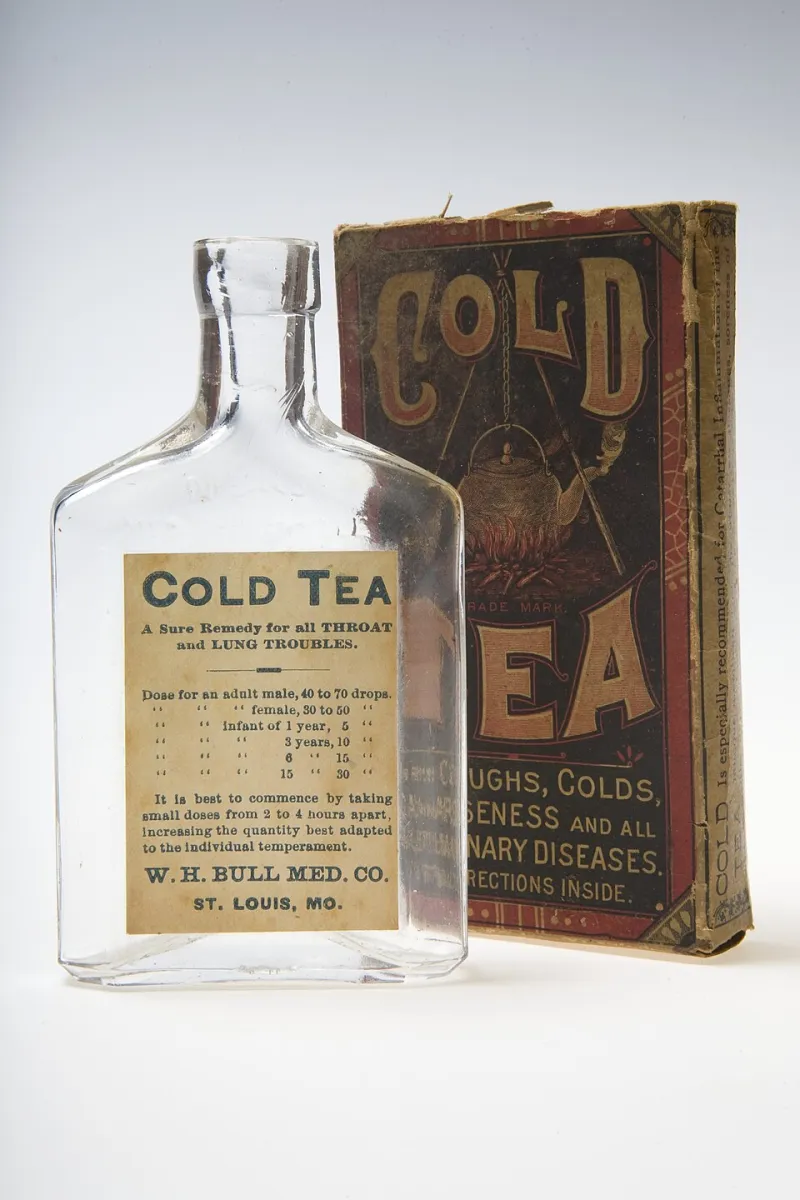
Photo: W.H. Bull Medical Company, Public domain, via Wikimedia Commons
It starts with a scratchy throat and ends with a bathroom counter full of bottles. A daytime multi-symptom syrup. A nighttime PM capsule. A store-brand sinus tablet. Maybe a fever reducer from the back of the drawer. None of them feels like a big deal on its own, but several may share the same active ingredient: acetaminophen.
That is the cold-season duplicate trap. It is not about one dangerous bottle. It is about three ordinary-looking products stacking up in the same 24 hours.
At UpPharm, we are not here to tell you to avoid cold medicine altogether. We are here to make the label easier to read before you pour, swallow, or hand something to a family member.
The setup: one symptom, three bottles
Cold and flu products are built to sound specific. Daytime formulas promise to keep you alert. Nighttime formulas promise to help you sleep. Sinus, flu, severe, and complete formulas each suggest a different job. That marketing is not the problem. The problem is that many of these products include acetaminophen for aches and fever, even when the front label does not make that obvious.
So you take a multi-symptom liquid for congestion. Later, a headache tablet for the pressure behind your eyes. At bedtime, a PM product because you need sleep. Each one may be doing its own job—and each one may be adding to the same acetaminophen total.
This is also true of store brands. A generic product is not automatically riskier. It is simply another label you have to read. The front of the box may say compare to the active ingredient in a familiar brand, but the numbers that matter are on the back.
Drug Facts is the panel that counts
In the US, over-the-counter medicines carry a Drug Facts panel. Think of it as the ingredient list and the instruction manual in one place. The front of the package sells the product. The Drug Facts panel tells you what is actually inside.
Look for the section called Active ingredients. Acetaminophen is usually listed by its generic name, not just a brand name. You may also see the abbreviation APAP on prescription labels or pharmacy paperwork. If you are scanning several products, check that line first.
Next, find the strength. It might say 325 mg per tablet, 500 mg per tablet, or 325 mg per 15 mL for a liquid. The strength matters because a tablespoon of one syrup is not the same as a tablet of another product. Liquid concentrations vary, and kitchen spoons are not reliable measuring tools. Use the dosing cup or syringe that comes with the product.
Finally, look at the directions. They will tell you how much to take and how often. They will also give a maximum daily amount. That maximum is not a suggestion. It is the upper limit for that product.
The math is simpler than the label makes it look
You do not need to be a pharmacist to add acetaminophen. You just need to slow down for a minute.
Suppose a liquid cold medicine lists 325 mg of acetaminophen per 15 mL, and you take 30 mL. That is 650 mg. Suppose you also take two 500 mg acetaminophen tablets for a headache. That is another 1,000 mg. Add a nighttime product with 500 mg, and your day is already at 2,150 mg before you count anything else.
That example is not meant to scare you. It is meant to show how fast the number grows when each product is taken on its own schedule. The label on the cold syrup does not know about the headache tablet. The headache tablet does not know about the PM capsule. Only you—or the pharmacist you ask—can see the whole picture.
For adults, many over-the-counter acetaminophen labels set a daily maximum of 3,000 mg or 4,000 mg. The exact number depends on the product. Do not assume the higher number applies. Follow the lower limit on the labels you are actually using, and ask a pharmacist if the labels disagree or if you are unsure.
Hidden duplicates like the words PM, sinus, flu, and complete
Acetaminophen hides in plain sight on cold and flu products. It is common in multi-symptom formulas, sinus products, headache tablets, fever reducers, and nighttime PM products. It can also appear in prescription pain medicines that combine acetaminophen with another ingredient, such as hydrocodone or codeine.
That last one is worth repeating to your pharmacist. If you take a prescription product that already contains acetaminophen, adding an over-the-counter cold medicine with acetaminophen can push your total higher than you realize.
Other ingredients can duplicate too. Ibuprofen and naproxen are different drugs, but they can also show up in more than one product. Decongestants, antihistamines, and cough suppressants can overlap as well. Acetaminophen is the one to check first because it is so common in cold-season products and because too much can harm the liver.
Who should double-check before combining
Most healthy adults can use acetaminophen safely when they follow the label. But some people should talk to a pharmacist or prescriber before stacking products. That includes people with liver disease, people who drink alcohol regularly, people who are pregnant, and people who take warfarin or other medicines that can interact.
Children deserve their own math. Do not scale down an adult dose by guesswork. Use the product labeled for the child's age and weight, use the measuring device that came with it, and ask a pharmacist if you are combining a cold medicine with a fever reducer.
And if you are the person in the house who manages everyone else's medicines, keep it simple: one list, one pen, one pharmacist question. Bring the bottles or take photos of the Drug Facts panels. A pharmacist can add up the acetaminophen across everything you are using and tell you where the overlap is.
A five-minute script for the pharmacy counter
You do not need a long explanation. Try this: I am taking this cold syrup and this headache tablet. Both list acetaminophen. Can you help me add up my total for the day and tell me if this nighttime product fits?
That is it. You are not asking for a diagnosis. You are asking for a label check. Pharmacists do this all the time, and they would rather answer the question before you take the fourth product than after.
Quick checklist before you pour
- Turn every box or bottle around and find the Active ingredients section.
- Circle or note the acetaminophen strength on each product.
- Add up every dose you have already taken in the last 24 hours.
- Check prescription pain medicines for acetaminophen, too.
- Do not exceed the lowest daily maximum printed on the labels you are using.
- Use the dosing cup or syringe, not a kitchen spoon.
- Ask the pharmacist when two products overlap, when labels disagree, or when you are combining anything for a child.
Cold season is crowded enough without a duplicate ingredient riding along. A minute with the Drug Facts panel—and one honest question at the counter—can keep your medicine shelf from doing math you never intended.