Breakfast, Pills, and the Gray Area of 'Take With Food'
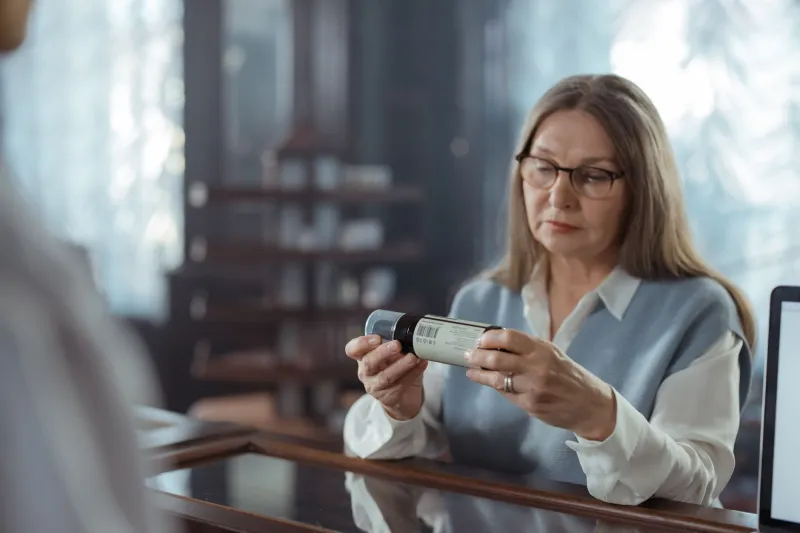
You pick up a new prescription, turn the bottle around, and there it is: “Take with food.” Or maybe it says “Take on an empty stomach.” Either way, the instruction sounds simple until you're standing in your kitchen at 7:40 a.m. holding a pill and a coffee mug, wondering whether a banana counts as food, whether coffee counts as empty, and whether getting it wrong once is a big deal.
You are not the first person to ask. Food instructions are one of the most common sources of quiet confusion at the pharmacy counter. The label is short because the bottle is small, not because the rule is obvious.
The Label Is Trying to Solve a Specific Problem
“Take with food” is not one universal instruction with one universal meaning. Depending on the medication, food might be there to cushion the stomach, improve absorption, slow the release of the drug, reduce nausea, or keep blood sugar steadier. In some cases, food changes how much of the medication gets into your bloodstream. In others, it mostly makes the medicine easier to tolerate.
That is why “with food” can mean different things from one prescription to the next. For one drug, a few crackers may be enough to settle your stomach. For another, the label may really mean a meal with some fat in it. And for a third, the instruction may be less about a full meal and more about not taking the pill on a completely empty stomach.
This is also why two people in the same household can follow different timing rules and both be right. The medication matters. The dose matters. Your stomach matters.
What Counts as Food? More Than a Cracker, Less Than a Feast
There is no single official definition of “a meal” that fits every prescription. In everyday practice, many pharmacists think of it this way: a snack is something small—a piece of toast, a handful of crackers, a glass of milk. A meal is closer to what you would actually sit down and eat—a bowl of cereal and fruit, eggs and toast, a sandwich and a side.
For many medications taken with food to reduce stomach upset, a modest snack may be enough. Think of common pain relievers like ibuprofen or naproxen, which are often taken with food or milk if they bother your stomach. Metformin, a common diabetes medication, is often taken with meals to lower the chance of gastrointestinal side effects. Prednisone is frequently taken with food for similar reasons.
But some medications are pickier. A label may say “with a meal” because the drug needs food to be absorbed properly, or because taking it without food raises the chance of side effects. In those cases, a single cracker may not do the job. If the instruction says “with a meal,” treat that as more than a garnish.
Empty Stomach Has a Narrower Meaning Than You Think
“Take on an empty stomach” is usually the stricter instruction. In most cases, it means water only—not coffee, not juice, not a smoothie, not a sip of milk. Then you wait a set amount of time before eating. For some medications, that wait is 30 minutes. For others, it is an hour. A few require even more specific timing.
Levothyroxine, a common thyroid medication, is a familiar example. Many labels direct people to take it on an empty stomach with water and wait before eating breakfast or drinking coffee. Alendronate, used for osteoporosis, is another one with a strict routine: water only, stay upright, and wait before food or other drinks.
Coffee deserves its own warning here. It feels like a neutral morning habit, but coffee can affect the absorption of some medications and can make an empty-stomach rule harder to follow. If your label says empty stomach, do not assume coffee is close enough to water. Ask the pharmacist whether coffee is allowed, and if so, how long to wait.
Common U.S. Examples, Without the Guesswork
These are examples, not personalized advice. Your own prescription instructions and pharmacist guidance come first.
- Levothyroxine: often taken on an empty stomach with water, with a wait before breakfast or coffee.
- Alendronate: usually taken with plain water on an empty stomach, staying upright afterward and waiting before food or other drinks.
- Metformin: often taken with meals to reduce stomach upset.
- Ibuprofen or naproxen: often taken with food or milk if stomach irritation is a concern.
- Prednisone: commonly taken with food.
- Lovastatin: sometimes directed to be taken with the evening meal, while other statins may be taken at any time. The label matters.
- Warfarin: not necessarily a “with food” drug, but consistency in vitamin K–rich foods matters. Sudden swings in leafy greens can affect how the medication works.
Notice how many different ideas are hiding under the same few words. That is exactly why the pharmacy counter conversation is worth having.
What Happens If You Get It Wrong Once?
Usually, one imperfect dose is not an emergency. Do not double up to make up for it, and do not panic. Write down what happened and ask your pharmacist whether you need to adjust the next dose or the timing.
The bigger issue is repetition. If you regularly take a “with food” medication on an empty stomach because mornings are chaotic, you may be increasing side effects or reducing how well the drug works. If you regularly take an “empty stomach” medication with coffee and a muffin, you may be blurring the instruction every day. That pattern is worth fixing.
Some medications have a narrower window than others. If you vomit soon after taking a dose, if you miss a dose, or if you are unsure whether you should repeat it, call the pharmacist. That is a normal question, not a bother.
Coffee, Grapefruit, Dairy, and Other Breakfast Landmines
Food timing is only half the story. Some foods and drinks interact with medications more directly. Grapefruit can affect certain statins and blood pressure medications. Dairy and calcium can interfere with some antibiotics and with thyroid medication. High-fiber supplements, iron, and antacids can change absorption for some drugs. Alcohol can amplify drowsiness or stomach irritation.
You do not need to memorize a giant list. You need to know which questions apply to your bottle. “Can I take this with my morning coffee?” is a good start. “Do I need to avoid dairy, grapefruit, or calcium supplements around this dose?” is another.
Questions Worth Asking at the Counter
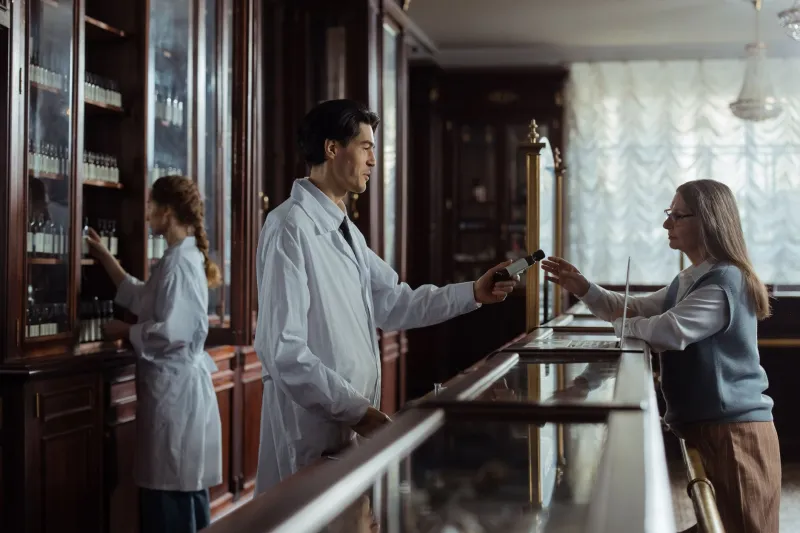
When you pick up a prescription, you can ask the pharmacist:
- Does “with food” mean a snack or a full meal for this specific medication?
- How many minutes before or after food should I take it?
- Is water the only drink allowed, or is coffee okay?
- Are there any foods or supplements I should separate from this dose?
- What should I do if I miss the food window or forget and take it late?
You can ask these questions even if there is a line behind you. A short conversation now can save months of guessing.
A Calm Breakfast Routine Beats Perfect Timing
Most people do not need a stopwatch and a spreadsheet. They need a routine they can repeat. If your medication is supposed to be taken with breakfast, make it part of the breakfast ritual—next to the cereal bowl, not in a random kitchen drawer. If it needs an empty stomach, set a timer and keep the bottle away from the coffee maker until the wait is over.
A pill organizer, a phone reminder, or a note on the fridge can help. So can writing the instruction in your own words on a sticky note: “Take with a real breakfast—not just coffee.” The goal is not perfection. The goal is understanding what the label is asking, and knowing when to ask for clarity.