The Drawer Museum of Old Meds: A 2026 Guide to Retiring Leftover Pills, Creams, and Inhalers
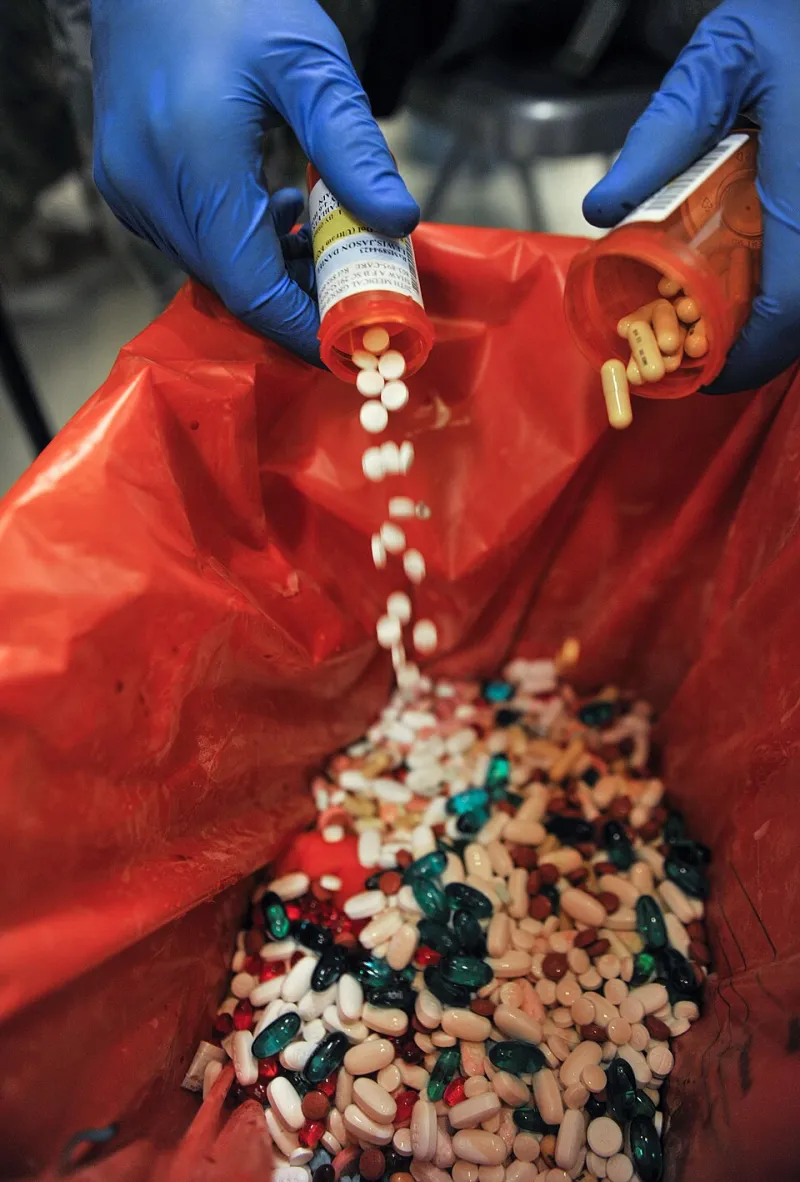
Photo: Nacho Anazawa, Public domain, via Wikimedia Commons
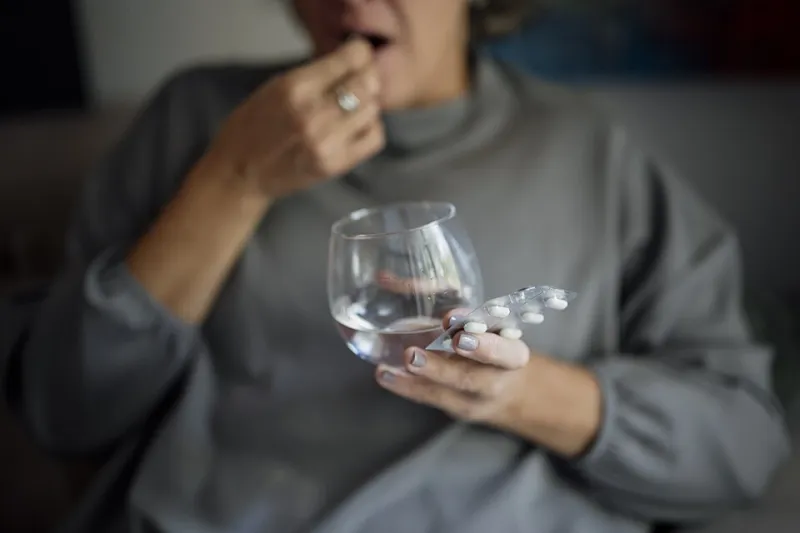
Every home has a drawer like this: a half-squeezed tube of antibiotic ointment, a blister pack with three pills left, an inhaler that belonged to someone who moved out, and a bottle of something expired two summers ago. It is not a character flaw. It is what happens when prescriptions change, symptoms fade, and life keeps moving.
The tricky part is that disposal advice is a patchwork. One friend says flush it, another says never flush anything, the pharmacy counter sometimes has a kiosk and sometimes does not, and the internet offers a dozen confident answers that contradict each other. UpPharm’s plain-English take: sort the stuff by what it is, use a legitimate take-back route when you can, and reserve flushing for the very short list where public health experts actually recommend it.
“Finish the bottle” was never about the cabinet
Let’s clear up the phrase that causes the most confusion. When a prescriber says to finish the bottle, they usually mean finish the prescribed course—take the antibiotic for the full number of days, use the cream for the stated stretch, follow the taper. They do not mean save the leftovers for a future flare-up or a family member’s similar-sounding rash.
Leftover antibiotics are a classic example. People squirrel them away “just in case,” then use them later without a diagnosis, at the wrong dose, or for a virus that antibiotics cannot touch. That is not a savings plan. It is a safety problem. The same goes for leftover pain pills, expired ear drops, and that steroid cream from a rash that has long since healed.
Some prescriptions are intentionally “as needed,” and you may legitimately have medicine left over. That is worth a conversation with your pharmacist—not a silent stash in the bathroom. Ask what to do with the remainder and how long it is reasonable to keep it.
Sort by shape, not by panic
Before you decide where anything goes, gather it in one place and look at the labels. Keep controlled substances—opioids, stimulants, certain sedatives—secure until you can hand them off. Do not crush pills, open capsules, or mix everything into a mystery bag. The goal is a clean handoff, not a chemistry experiment.
- Pills and capsules: Keep them in the original bottle or blister pack if possible. A take-back kiosk or mail-back envelope is the preferred route.
- Creams and ointments: Do not rinse the tube down the sink. Seal it in a bag and use a take-back option. Expired creams can separate or change texture, and the tube itself is not recyclable in most curbside programs.
- Liquids: Keep them in the original container, tighten the cap, and bag them. Do not pour them down the drain.
- Patches: Fold the sticky sides together, keep them out of reach of children and pets, and take them to a collector. Used patches can still contain medicine.
- Inhalers: Do not puncture, burn, or casually toss a pressurized inhaler. Many pharmacies and household hazardous waste programs accept them; check before you trash.
The take-back map: DEA sites, pharmacy kiosks, and mail-back envelopes
The most reliable route in the US is a DEA-authorized collector. Many police departments, pharmacies, and hospitals host secure drop boxes that accept pills, patches, and some other medicines during business hours. The DEA also runs National Prescription Drug Take Back Day, typically in April and October, with temporary collection sites around the country. You can search the DEA’s collector locator for a year-round site near you.
Retail pharmacies have expanded their role too. Some chains and independent pharmacies offer kiosks or prepaid mail-back envelopes. Mail-back is especially useful in rural areas or for people who cannot get to a drop box. Use envelopes from a legitimate pharmacy or a DEA-compliant vendor—not a random online “disposal kit” with no clear chain of custody.
County household hazardous waste programs are another option, particularly for inhalers, liquid medicines, and other items that do not fit a standard kiosk. Rules vary by location, so a quick phone call or a look at your county’s website can save a wasted trip.
The flush list is shorter than the internet makes it sound
The FDA maintains a short “flush list” of medicines that are especially dangerous if someone else takes them—certain fentanyl patches, buprenorphine products, some strong opioids, and a handful of others. For those specific medicines, flushing may be recommended when a take-back option is not readily available. The list is drug-specific, not category-wide. Check the FDA’s flush list by the name on your label; do not assume that all pain pills, all patches, or all liquids belong on it.
For most medicines, flushing is not the default. Antibiotics, creams, inhalers, and ordinary tablets do not belong in the toilet. If you have no take-back option and your medicine is not on the flush list, follow the FDA’s disposal guidance: mix pills with something unpalatable, seal them in a bag, and put them in the household trash—unless local rules say otherwise. Keep the original packaging and black out personal information if you like, but do not remove the label before a take-back handoff.
The “just in case” stash is not a rainy-day fund
Expired medicines are not a bargain. They can lose potency, change form, or become hard to identify. Labels fade. Caps loosen. Kids, pets, and confused adults find things. And the one time you really need a medicine, the leftover from three years ago is the wrong drug, the wrong dose, or both.
If cost is the reason you are hoarding, say so at the pharmacy counter. Ask about refill synchronization, 90-day supplies, generic alternatives, manufacturer assistance, or lower-cost pharmacies. That is a more useful conversation than saving half a tube of antibiotic cream for a rash that may never come back.
A 15-minute reset that ends with a plan
Set a timer. Empty the drawer onto a table. Toss the trash, keep the current medicines in one labeled bin, and put the rest in a “to retire” bag. Look up the nearest DEA-authorized collector and your county’s household hazardous waste rules. If mail-back is easier, ask your pharmacy for an envelope. Mark the next take-back day on your calendar, and put a note on your phone about what you are holding until then.
UpPharm’s take: the goal is not a perfectly empty drawer. It is a drawer you can explain—what is current, what is leftover, and where the leftovers are going. That is a lot safer than a museum of maybes.