A Dropped Pill Is Still a Dose: Human Medications in a Pet-Friendly Home

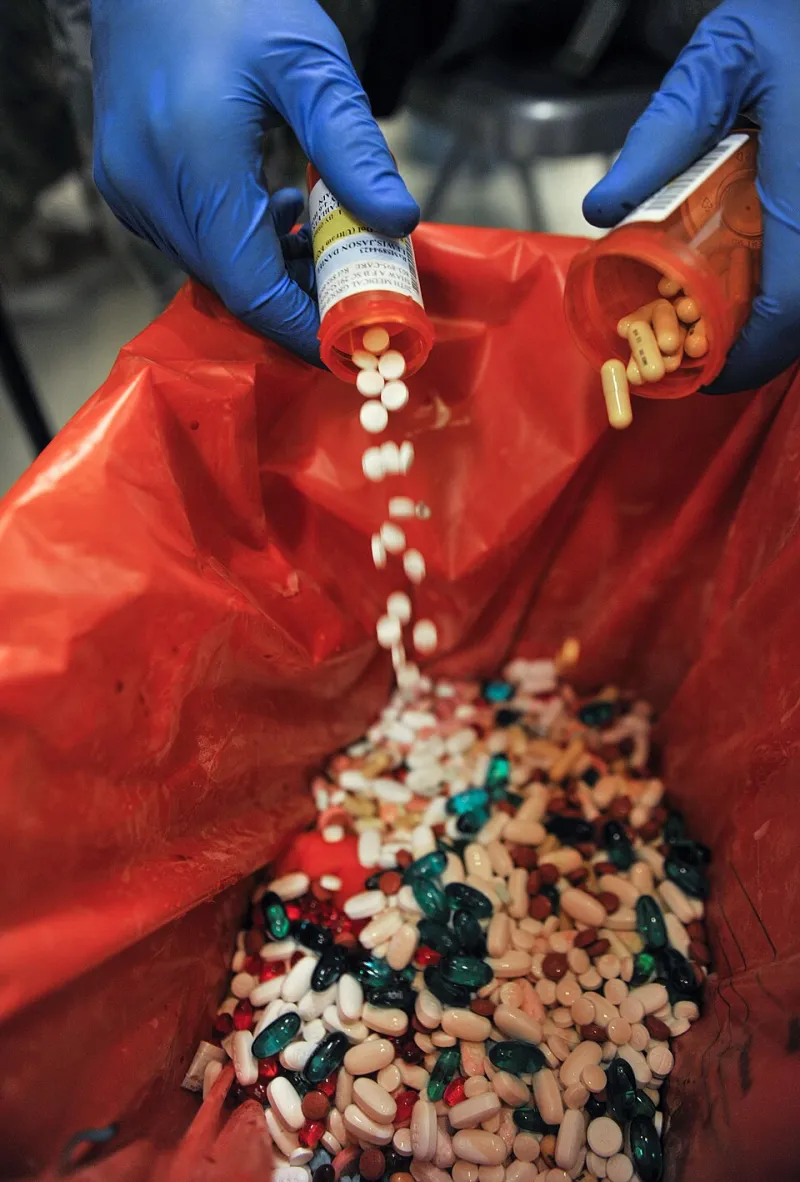
Photo: dog sniffing pill bottle on kitchen floor, via d.newsweek.com
The sound is tiny: a tablet ticking across the kitchen floor. To you, it is a dropped pill. To a 12-pound terrier, it might be a full day's dose of something that was never prescribed for dogs at all.
That is the part pet owners often miss. Human medications are dosed for human bodies. A pill that feels ordinary in your hand can be a big exposure for a pet that weighs 8, 12, or 20 pounds. At UpPharm, we usually explain prescriptions through the lens of the person taking them. This one is for the four-legged roommate who finds whatever rolls under the counter.
Why a human dose is not a pet dose
Dose matters by weight, and pets are small. A 200 mg ibuprofen tablet is a routine adult dose. For a 10-pound dog, that same tablet is roughly 44 mg per kilogram, which is well into dangerous territory. Cats are even more vulnerable to many human drugs because their bodies process certain chemicals differently.
This is why one dropped pill can matter more than it seems. It is not a crumb. It is a dose. And for a pet, it may be a dose with a much narrower margin between safe and harmful.
The usual suspects in pet poison calls
Several human medication groups show up again and again in pet toxicity cases:
- NSAID pain relievers such as ibuprofen and naproxen. These can cause stomach ulcers and kidney injury in dogs and cats.
- Acetaminophen. This is especially dangerous for cats and can also harm dogs. It is not a safe stand-in for a pet pain reliever.
- ADHD stimulants such as amphetamine and methylphenidate products. Even a single capsule can cause agitation, tremors, rapid heart rate, overheating, or seizures in a small pet.
- Antidepressants such as SSRIs and SNRIs. Pets can develop sedation, agitation, tremors, or serotonin syndrome after an accidental exposure.
- Sleep aids, anxiety medications, and stimulants left on nightstands or in purses. These are common because they are often taken at home, close to where pets live.
There are others, of course. Blood pressure pills, diabetes medications, birth control, and even topical creams can matter. The exact risk depends on the drug, the strength, the pet's species and weight, and how much was swallowed. That is why the bottle matters more than the memory.
Childproof is not pet-proof
The cap on your prescription bottle is designed to resist small children. It is not designed to resist determined jaws, a cat batting a bottle off a counter, or a dog who thinks a rattling container is a toy.
A few storage habits make a real difference:
- Use a hard-sided lockbox for medications, especially anything small, flavored, or highly toxic to pets.
- Keep pills in a closed cabinet, not on the counter, nightstand, coffee table, or bathroom sink.
- Do not rely on a zippered purse or backpack. Pets chew through bags, and guests often leave medications in theirs.
- Check the floor after taking a dose. If a pill drops, find it right away instead of assuming it rolled under the fridge.
- Keep pill organizers closed and out of reach. A weekly organizer is a buffet if a pet knocks it open.
- Warn pet sitters and houseguests. Their medications are part of your pet's environment too.
The first ten minutes after a suspected ingestion
If you think your pet ate a human medication, stay calm but move quickly. Do not wait for symptoms. Some medications cause problems before a pet looks sick.
- Move the pet away from the area. Close the door or put the pet in another room so it cannot eat more.
- Grab the packaging. Bring the bottle, blister pack, or label. Note the medication name, strength, and how many pills may be missing.
- Note the time. Estimate when the exposure happened and what your pet weighs.
- Do not induce vomiting unless a vet tells you to. Do not use hydrogen peroxide at home. It can burn the mouth and stomach, and it is not the right move for every exposure.
- Call your veterinarian or an emergency vet. If you do not have a regular vet, call the nearest emergency animal hospital.
- Call pet poison control if you need extra guidance. The ASPCA Animal Poison Control Center is at 888-426-4435. Pet Poison Helpline is at 855-764-7661. Consultation fees may apply.
If your pet is seizing, struggling to breathe, collapsing, or cannot stand, skip the phone research and go to an emergency vet. Call ahead if you can so the team knows you are coming.
When to call a vet, poison control, or both
Start with your vet if they are open and you can reach them. They know your pet's history and can tell you whether to come in. If it is after hours, call an emergency clinic. Pet poison control is useful when you need expert triage, when your vet is unavailable, or when you are unsure how serious the exposure is.
Call both if the exposure is large, the medication is one of the high-risk groups above, or your pet already has symptoms. Do not rely on an internet dose calculator or a neighbor's guess. Bring the bottle with you. The label is the best clue.
A five-minute reset that actually helps
Pick one place for medications that a pet cannot reach. A lockbox on a high shelf is better than a countertop basket. Keep drugs in their original labeled bottles when possible, and keep the lockbox closed even when you are home.
Take pills over a tray or closed container, not over the sink or open floor. If you drop one, stop and find it. Check under chairs and rugs with a flashlight. Tell guests where to put their bags and medications. And if you use a pill organizer, treat it like a medication bottle, not like a snack container.
A dropped pill is still a dose. A few seconds of retrieval and a locked box can beat an expensive, frightening trip to the animal ER. If you are unsure, call. That is what the professionals are there for.