That Date on the Bottle Is a Shelf Life, Not a Countdown Clock
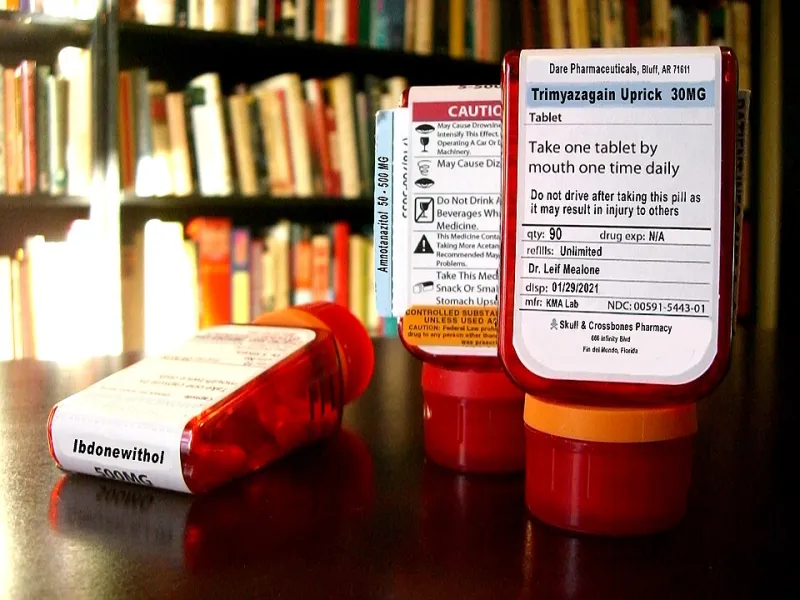
Photo: User:Mpelletier1, CC BY-SA 3.0, via Wikimedia Commons
The date is a guarantee, not a poison alarm
You find a bottle of pills in the back of the cabinet. The label says something like 03/2025. It is now late 2026. The bottle is full. You feel fine. You wonder whether taking one is no big deal or a genuinely bad idea.
Here is the plain-English version: the expiration date on a prescription or over-the-counter medication is the manufacturer's guarantee that the drug will have its full labeled potency and meet stability standards when it is stored as directed. It is not a timer that flips the contents from medicine to poison at midnight.
Most expired medications do not become toxic. They usually just lose strength. But usually is doing a lot of work in that sentence, and it is not a household rule. Some drugs are less forgiving than others. Some forms—liquids, eye drops, insulin—have timelines that are shorter or more delicate than the date printed on the box. And storage can quietly speed up the decline.
Why the date exists in the first place
Drug makers test medications under specific conditions: certain temperatures, certain humidity levels, certain packaging. The expiration date is the point through which they can promise the product remains stable and effective. After that date, they are no longer making that promise. They are not saying the bottle is dangerous. They are saying the guarantee has ended.
That distinction matters. A tablet that has spent two years in a cool, dry bedroom closet is in a different situation from one that has spent two summers in a car console. Heat, moisture, and light are the big three. A bathroom medicine cabinet sounds convenient, but showers turn bathrooms into humid little greenhouses. A kitchen shelf near the stove is not much better. The original container matters too—those amber bottles and foil pouches are part of the stability plan.
The medications that get less slack
Some medications deserve more caution than a random expired multivitamin. These are the ones where a loss of potency is not just a disappointing pill—it can change how well your treatment works.
Insulin is a good example. It is a protein, and it is sensitive to temperature. Expired insulin may not control blood sugar as expected. If you are in a pinch, call your pharmacist or prescriber rather than relying on an old pen or vial.
Nitroglycerin for chest pain is another one. This is not a medication to gamble with. If you have angina and your nitroglycerin is expired, do not treat it as a reliable backup plan. Refill it, and if you are having chest pain, call 911.
Eye drops have their own clock. Many multi-dose bottles have a discard-after-opening period—often 28 days—that can arrive long before the printed expiration date. Preservative-free drops may have even tighter limits. Using old drops, or drops that have been open too long, can introduce irritation or infection risk.
Antibiotics are not something to save for later. Liquid antibiotic suspensions often expire quickly after they are mixed, even if the bottle has a longer date on the package. Leftover antibiotics should not be used for a new illness, and an expired course should not be stretched or shared.
Epinephrine auto-injectors and other emergency medications also belong in the cautious column. If the device is discolored, past date, or has been exposed to extreme heat, replace it according to the manufacturer's instructions and your prescriber's guidance.
What to do with a bottle past its date
First, do not panic. You are not in trouble because there is an old bottle in the house. The practical question is what to do next.
If the medication is something you still take, check the label and call your pharmacy. Ask whether you need a refill or whether the medication is one where an old bottle might still be acceptable in a true emergency. Do not make that call alone for insulin, nitroglycerin, eye drops, antibiotics, or emergency injectors.
If the medication is expired and you no longer need it, get it out of your active supply. The safest disposal route depends on the drug. Many communities have year-round pharmacy take-back kiosks or police department collection sites. The DEA also runs periodic take-back events, and the FDA maintains a flush list for a small number of medications that are especially risky if someone else takes them. Do not flush most medications unless the label or FDA instructions tell you to.
If you are putting expired medication in the household trash, check your local rules first. A common approach is to mix the pills with something unappealing—used coffee grounds, cat litter, or a sealed bag of food scraps—then seal the container and remove or black out your personal information. Keep it out of reach of kids and pets until pickup.
The calm takeaway
The expiration date is a shelf life, not a finish line. It tells you when the manufacturer stops guaranteeing full strength and stability. It does not automatically mean the bottle is hazardous, but it also does not mean the contents are still a good idea.
Store medications cool and dry, keep them in their original containers, and pay attention to the forms that need more care. When in doubt, ask your pharmacist. That is not a dramatic move. It is just the boring, useful thing that keeps a medicine cabinet from becoming a guessing game.