What to Do With the Inhaler Nobody Remembers Using
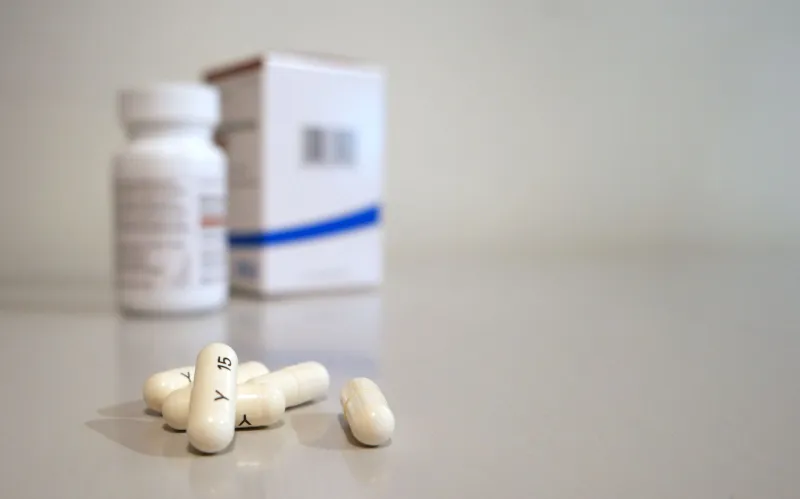
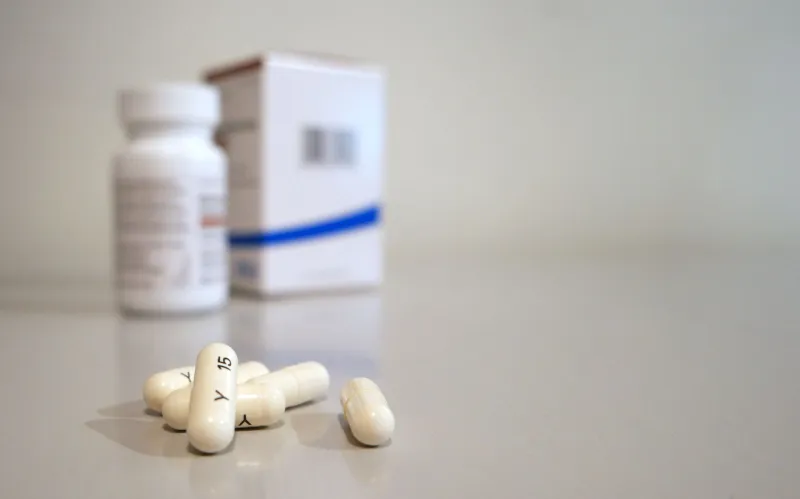
Every household has a drawer. Maybe it is the bathroom drawer, maybe the kitchen junk drawer, maybe the top shelf of a closet. Inside: a bottle of tablets from a prescription that ended, a tube of cream with a crimped end, an inhaler nobody remembers using, and a few amber bottles with labels that are now mostly mystery.
This is not a moral failing. Prescriptions accumulate because life is busy and because throwing medicine away feels like it should be more complicated than tossing a wrapper. The good news is that cleaning out that drawer is usually a 20-minute project, not a hazardous-materials operation.
Expiration Dates Are a Guarantee, Not a Countdown Clock
An expiration date is the manufacturer's promise that the medication will meet its labeled strength and quality up to that date when stored as directed. After that date, the manufacturer is no longer standing behind it. That does not mean every pill turns toxic at midnight. It does mean you no longer have a reliable guarantee about potency, stability, or how the drug will behave.
Some medications are more sensitive than others. Liquids, eye drops, insulin, injectables, and inhalers can degrade in ways that matter more than a dry tablet in a sealed bottle. A cream that has been opened, stored in a warm bathroom, and used with fingers may also be past its useful life for reasons beyond the date on the tube.
The practical rule is simple: do not use expired medication. If you are unsure whether something is expired, or if the label is missing, treat it as expired. If the medication is one you need regularly, call your pharmacist about a refill or replacement rather than stretching an old supply.
Why the Toilet Is Usually the Wrong Exit
Flushing pills feels tidy, but it sends medication into the wastewater system. Treatment plants are not designed to remove every drug residue, and those residues can end up in waterways. That is why flushing is usually not the first-choice disposal method.
There are exceptions. The FDA keeps a short “flush list” of medications that are especially risky if a child, pet, or someone else finds them—certain opioids, for example, and fentanyl patches. For those medications, flushing may be safer than leaving them in the house when a take-back option is not immediately available. The key is to check the specific medication and follow the label or pharmacist guidance. Do not assume every old tablet belongs in the toilet, and do not assume none of them do.
Where Take-Back Actually Happens in 2026
The best option for most household medications is a take-back program. In the U.S., there are several ways to find one:
- Pharmacy take-back boxes: Many pharmacies have secure kiosks for unused or expired medications. Not every location has one, so call first or check the store's website. Ask what they accept—some programs take pills but not liquids, inhalers, or sharps.
- DEA-authorized collectors: The Drug Enforcement Administration maintains a locator for authorized collection sites, including some pharmacies, police departments, and community organizations. These sites operate year-round in many areas.
- National Prescription Drug Take Back Day: The DEA also runs periodic collection events, usually in the spring and fall. These are useful if you have a backlog and want a one-stop option.
- Local household hazardous waste programs: Some cities and counties accept medications at household hazardous waste facilities or special collection events. Rules vary by location.
- Mail-back envelopes: Some pharmacies and community programs offer prepaid mail-back envelopes for medications. This can be helpful for people who cannot easily get to a collection site.
Before you drive anywhere, call ahead. Ask three things: Do you accept expired medications? Do you accept inhalers or liquids? Is there a limit on how much I can bring? A two-minute phone call can save a wasted trip.
Inhalers and Creams Need a Different Plan
An old inhaler is not just a plastic tube. It may still contain propellant or medication, and some inhalers have dose counters that make them look more used than they are. Do not puncture an inhaler, throw it into a fire, or toss it loosely into the trash where a child or pet could get it.
Ask your pharmacy whether it accepts inhalers for disposal. If not, check with your local household hazardous waste program. Some areas have specific instructions for pressurized canisters. If you are completely stuck, call your city or county waste department and ask for the current rule. Rules differ, and “just put it in the trash” is not always the right answer.
Creams and ointments have their own awkwardness. Do not squeeze old cream down the sink. If a take-back program accepts them, bring them in their original tube. If you must use the trash, follow local guidance and keep the tube sealed if possible. The goal is to keep the medication out of the water supply and away from anyone who might mistake it for something current.
Before You Toss: Remove the Personal Stuff
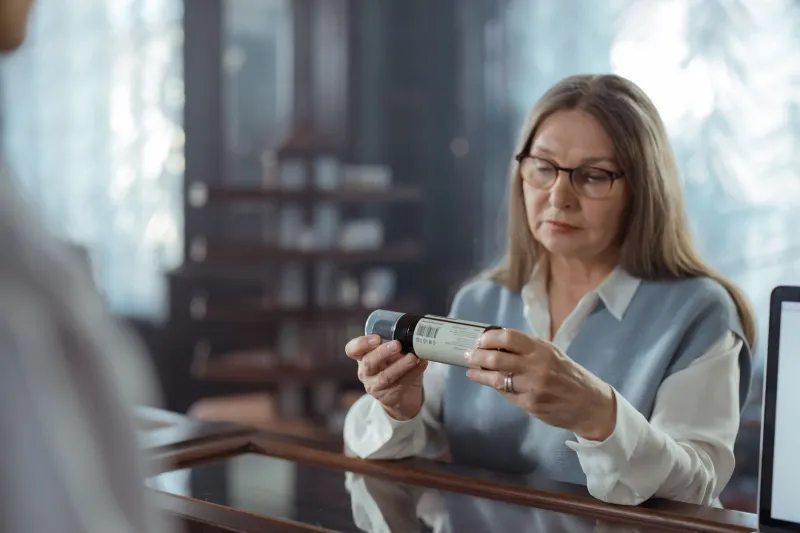
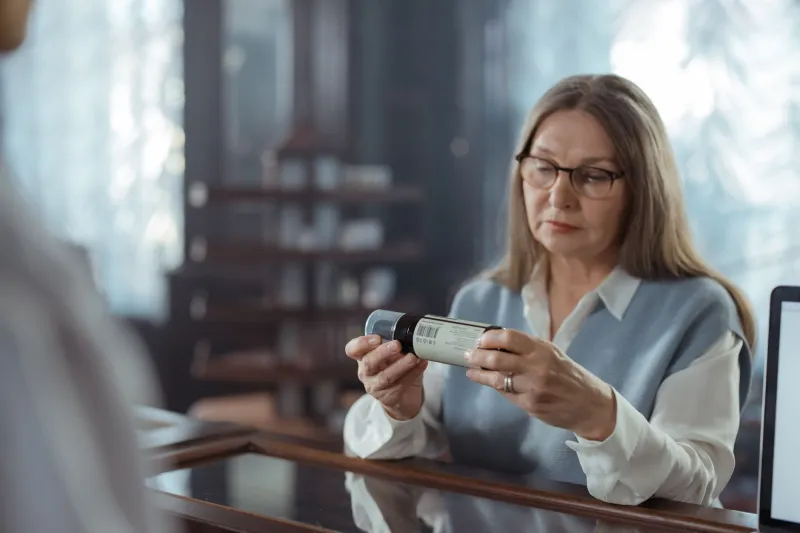
Prescription labels often include your name, address, doctor's name, prescription number, and medication details. Before a bottle goes into recycling or the trash, remove the label or scratch out the personal information with a permanent marker. If the label peels off easily, shred it. If it does not, mark over the name and Rx number until they are unreadable.
This is not about being secretive. It is about reducing the chance that someone digs a bottle out of the trash and uses your information. It also makes the bottle easier to recycle in areas where labels are not accepted.
A 20-Minute Drawer Reset
Here is a simple routine that does not require a special kit:
- Put a box or bin on the floor and gather every medication in the house—bathroom, kitchen, bedroom, purse, car, and that one bag from a trip.
- Keep children and pets out of the room while you sort.
- Check each label for the name, medication, and expiration date. Do not open bottles to sniff or taste anything.
- Separate current medications from expired or unwanted ones. Keep current medications in their original labeled containers.
- Put expired medications in a bag or box for take-back. Keep them out of reach until you can drop them off.
- Write down what you are missing or need to refill, then call the pharmacy.
- Set a reminder to repeat the cleanout in six months.
No judgment if the drawer has been there for years. The point is not to be perfect. The point is to get the old inhaler, the expired tablets, and the mystery cream out of the house safely.
Questions Worth Asking
When you call the pharmacy or collection site, ask: Do you take back expired prescriptions? What about inhalers, creams, or liquids? Is this medication on the FDA flush list? Can you help me replace a current medication that has expired? And if I cannot get to a take-back site today, what is the safest temporary storage option?
A clean drawer is not about being a model patient. It is about making your home a little safer and a little less cluttered—one old bottle at a time.