Fifteen Minutes, One Grocery Bag: The Medicine Cabinet Reset for Late 2026
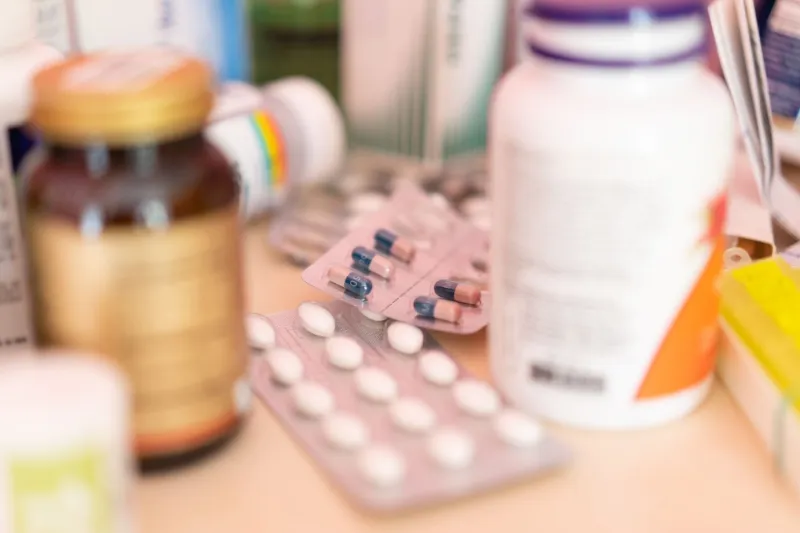
Every household has The Drawer. Sometimes it's a cabinet over the sink. Sometimes it's a shoebox, a bin on top of the fridge, or the glove compartment of a car that hasn't been cleaned since the last oil change. It contains a cough syrup from a winter nobody remembers, three bottles of ibuprofen, and at least one prescription that was discontinued in a different administration.
No shame in that. Everyone's is the same. What follows is a short, low-drama routine you can run in about the length of a podcast episode — no label-maker, no spreadsheet required.
Why Late Fall Is a Decent Time to Bother
Three practical reasons. Cold and flu season is ramping up, so you want to know what you actually have before you're sick at 11 p.m. searching for something that expired during the Obama administration. Refills and insurance matters are already on your mind if you've been dealing with year-end plan stuff. And the weather is bad enough that fifteen minutes indoors with a trash bag feels almost pleasant.
Step 1: Empty Everything Onto a Towel
Counter, table, towel — the towel keeps things from rolling. Take out every bottle, box, tube, and blister pack. Yes, including the vitamins. Including the travel kit. Including whatever is in the bathroom that isn't toothpaste.
Sort into three loose piles as you go: prescription, over-the-counter, and the mystery pile (unlabeled, faded, or so old the name is worn off). Don't try to decide anything yet. Just triage.
Step 2: Read the Labels Like a Stranger Wrote Them
This is the part that quietly matters most, and it isn't about dates at all. It's about duplicate active ingredients.
Here's what usually turns up:
- Acetaminophen hiding in a cold-and-flu combo, a nighttime product, a sinus tablet, and a plain pain reliever — all at once. Add them together and you can hit the daily ceiling without realizing you took anything twice.
- Diphenhydramine (the classic "PM" ingredient) in a sleep aid, an allergy pill, and a nighttime cold medicine.
- NSAIDs — ibuprofen and naproxen — in a back-pain product, a menstrual product, and a generic anti-inflammatory.
- Two bottles of the exact same prescription at different doses, from two different prescribers who don't know about each other.
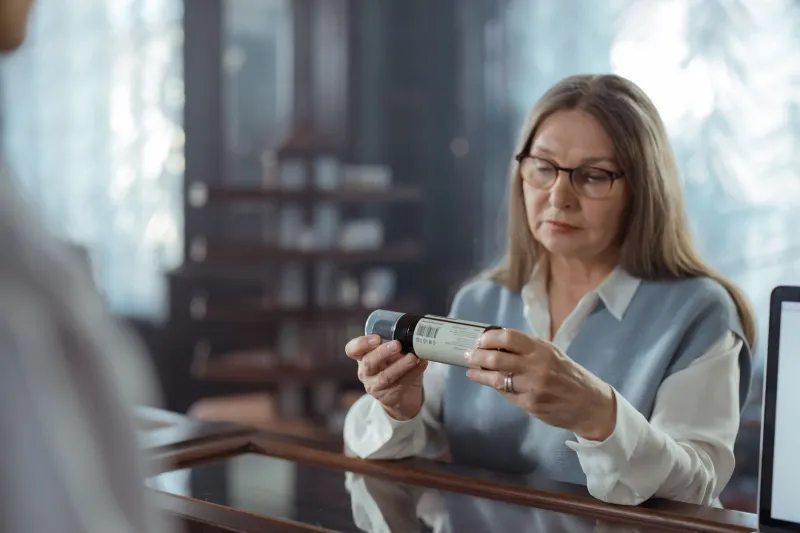
Flip every box to the small print and read the active ingredients panel, not the brand name. Different brands, same molecule, is the single most common find in this exercise.
Step 3: The Expiration Date Conversation
Expiration dates aren't a scam, and they aren't a cliff either. They mean the manufacturer will guarantee full potency and stability up to that point when stored as directed — which, for the record, is not a steamy bathroom shelf.
Practical rule of thumb: a tablet that expired six weeks ago is very unlikely to hurt you, but it may not work well, and it's genuinely not worth keeping a decade-old bottle of anything. Liquids, eye drops, insulin, and anything that's changed color, smell, or texture are a firmer no. If it's a prescription you still take, expired means call for a refill.
Step 4: Keep, Question, Release
Keep what you've used in the past year, what's current, and what belongs to someone who still lives there and still takes it.
Question anything that raises a small flag: a duplicate, a discontinued medication, a bottle with no label, an old antibiotic with twelve capsules left. Put those in a separate bag and bring them to the pharmacy — nobody is going to grade you.
Release the rest. And here's the honest part about the "just in case" bottle: keeping leftover antibiotics, old pain pills, or a discontinued medication around mostly creates two risks — a wrong-dose mistake during a stressful night, and access for anyone in the house who shouldn't have it. A stocked cabinet is not the same as a prepared one. Prepared is knowing what you have and having a plan to get what you need.
Step 5: Get Rid of It Without Making It Someone Else's Problem
- Start with a take-back option. Many pharmacies and police departments host year-round drop boxes, and the DEA runs periodic national take-back days. Search "drug take back near me" — it's often a five-minute drive.
- Prepaid mail-back envelopes exist through some pharmacies and municipalities.
- If no drop-off is available: mix pills with used coffee grounds or kitty litter in a sealed bag and put it in the household trash. Scratch out personal info on labels first.
- Don't flush unless the label or official guidance specifically says that medication should be flushed. Most shouldn't be.
- Keep the bag out of reach of kids and pets until it leaves the house.
Your 'Ask the Pharmacist' List
Bring these up at the counter, no appointment needed in most states:
- These two bottles have different names but the same ingredient — am I double-dipping?
- Is this discontinued prescription safe to just stop, or do I need to taper?
- Can these two interact, even though one is a supplement?
- Is there a cheaper or simpler version of this I should be on?
- Which of these should I not keep in the bathroom?
- Where's your take-back box?
One Note on 'Natural' and 'PM'
The wellness aisle is not exempt. Melatonin, St. John's wort, ginkgo, high-dose fish oil, and various herbal blends can all nudge how prescriptions behave — St. John's wort in particular has a well-documented habit of interfering with several classes of medication. "PM" products are usually just an antihistamine wearing a cozy label, and that antihistamine can interact with prescriptions and worsen confusion in older adults. Neither category is dangerous on its own. They just deserve the same label-reading you give everything else.
Fifteen Minutes, Once a Year
That's the whole routine. Dump it out, read the small print, check a few dates, bag what's questionable, and drop the rest somewhere responsible. Then write the current date on a sticky note inside the cabinet door, so next year's version of you knows exactly when the clock restarted.