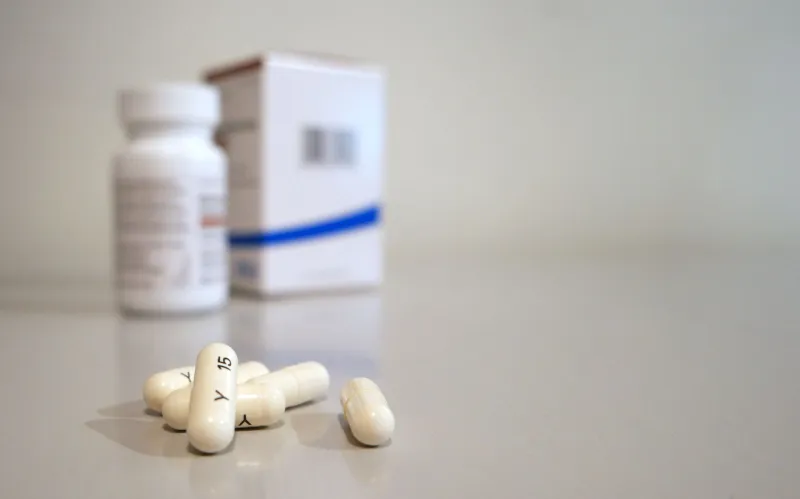
When 'As Needed' Quietly Becomes Every Day
A bottle says 'take one tablet as needed for pain.' It sounds flexible. It sounds harmless. And for a lot of people, it slowly turns into a daily routine without anyone planning it that way.
That's the tricky thing about PRN medications. PRN is shorthand for the Latin phrase pro re nata, and in everyday pharmacy language it simply means 'as needed.' The label gives you room to decide when a dose makes sense. It does not mean the medicine is free of limits, timing rules, or side effects. Think of 'as needed' as a decision you make with a little structure, not a blank check.
What 'As Needed' Actually Means
A PRN label usually comes with a few quiet boundaries. There is a dose: one tablet, two puffs, one application. There is a reason: for pain, for nausea, for anxiety, for sleep. And there is almost always a ceiling, even if it is not printed in bold letters.
Some labels spell out the maximum in a day. Others say 'do not exceed' a certain amount in 24 hours. Some give a minimum gap between doses, like every four to six hours. If your label does not make those numbers obvious, that is a good reason to ask before you start guessing.
The same medicine can have different limits for different people. A dose that is fine for one adult may not be fine for a child, an older adult, someone with liver or kidney problems, or someone taking several other prescriptions. That is why the pharmacist's question 'What else are you taking?' is not small talk.
The Daily Limit Is Not a Suggestion
Maximum daily limits exist because more is not better. With something like acetaminophen, going over the daily limit can harm the liver. With ibuprofen or naproxen, extra doses can raise the risk of stomach bleeding and kidney problems. With sedatives or sleep aids, stacking doses can leave you groggy, unsteady, or unsafe behind the wheel.
Here is where people get caught. Many over-the-counter products are combinations. A cold and flu packet may contain acetaminophen. A prescription pain pill may contain acetaminophen too. A nighttime product may include an antihistamine that makes you drowsy. If you take 'as needed' medicines from several bottles, you can accidentally double up on the same ingredient without realizing it.
Before adding a second product, read the active ingredients. If you see the same word twice, pause. Ask the pharmacist whether the combination is safe and whether the total daily amount stays within limits.
How to Track Doses Without Turning It Into Homework
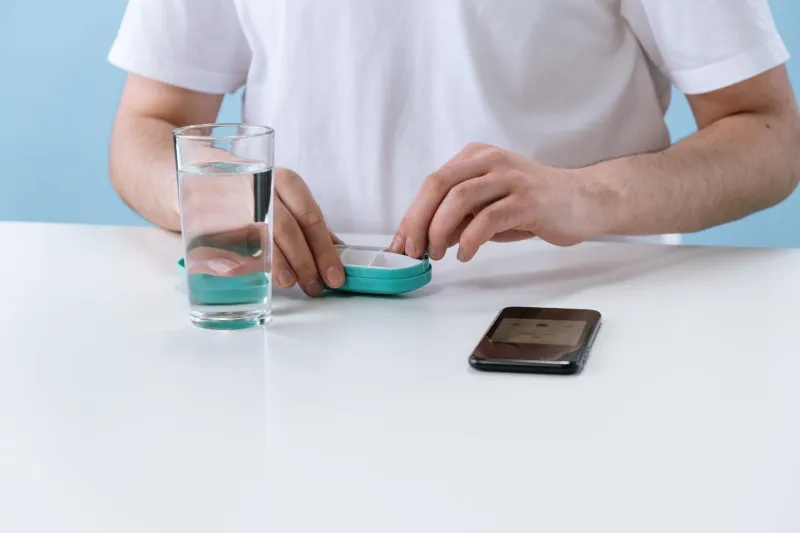
You do not need a fancy spreadsheet. You need a system you will actually use. A notes app works. So does a small calendar by the bottle, a weekly pill organizer with a slot for PRN doses, or a tally mark on the cap with a marker. Some pharmacy apps let you log doses, too.
The goal is simple: know how many doses you took today, and how many days this week you needed the medicine. That second number is the one people forget. A single dose on a rough afternoon is one thing. Reaching for the bottle every afternoon for three weeks is a pattern worth talking about.
Try a quick daily note: date, time, dose, and what was happening. 'Headache after work.' 'Knee pain after walking.' 'Could not sleep.' Those notes give your prescriber real information instead of a vague memory.
When Occasional Use Starts to Creep
Habit creep is rarely dramatic. It looks like taking a dose before the problem starts, just in case. It looks like running out early and wondering why. It looks like using the medicine to get through work, sleep, or family life every day when the original plan was occasional relief.
A few signs are worth a call to your prescriber or pharmacist:
- You are using the medicine more days than not.
- You need a dose sooner than the label allows.
- You are combining it with alcohol or other sedating medicines.
- You are borrowing a friend's supply or using an old bottle.
- You feel anxious when you do not have it nearby.
- The medicine is no longer helping the way it did.
None of those signs mean you are doing something wrong. They mean the plan may need adjusting. Bodies change, symptoms change, and prescriptions should change with them.
Questions to Ask Before You Reach for the Bottle Again
A pharmacist can answer a lot in a few minutes. Good questions include:
- What is the maximum amount I can take in 24 hours?
- How many hours must I wait between doses?
- Does this interact with my other prescriptions, vitamins, or alcohol?
- Is there a lower-risk option for what I am treating?
- What should I do if the medicine does not help after a certain number of doses?
- Can I take this with food, or does timing matter?
You can also ask whether a different formulation would be easier to manage, like a lower-strength tablet or a non-sedating option. The pharmacy counter is not an emergency room, but it is a good place to catch small problems before they become big ones.
'As needed' works best when it stays a decision instead of a reflex. Keep track, respect the ceiling, read the ingredients, and ask when the label leaves you guessing. That is not being overly cautious. It is using the label the way it was meant to be used.